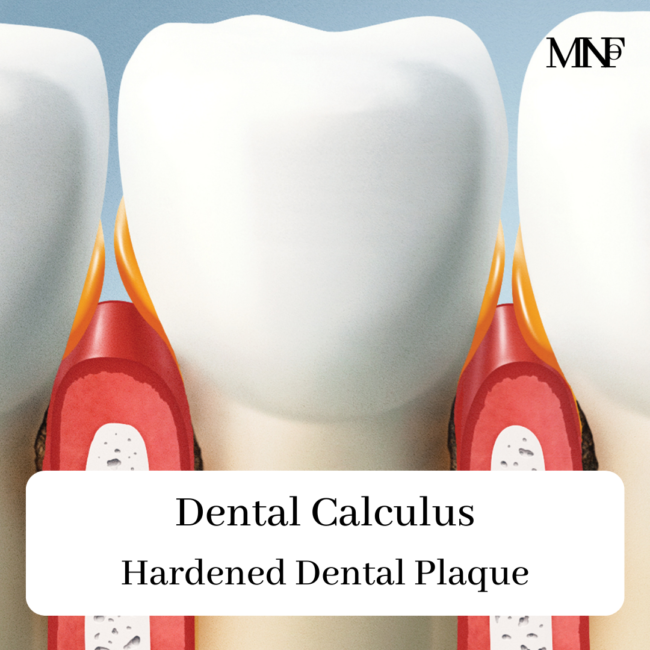
Dental Calculus: Hardened Dental Plaque

[vc_row][vc_column][ultimate_spacer height=”20″][ultimate_heading main_heading=”Dental Calculus: Hardened Dental Plaque” heading_tag=”h3″ alignment=”left” margin_design_tab_text=””] Dental plaque is biofilm formed on the surfaces in the mouth and can be removed by brushing. If dental plaque is not removed, it may lead to formation of calculus.  Dental Calculus forms when plaque becomes hard due to precipitation of mineral salts. It can…
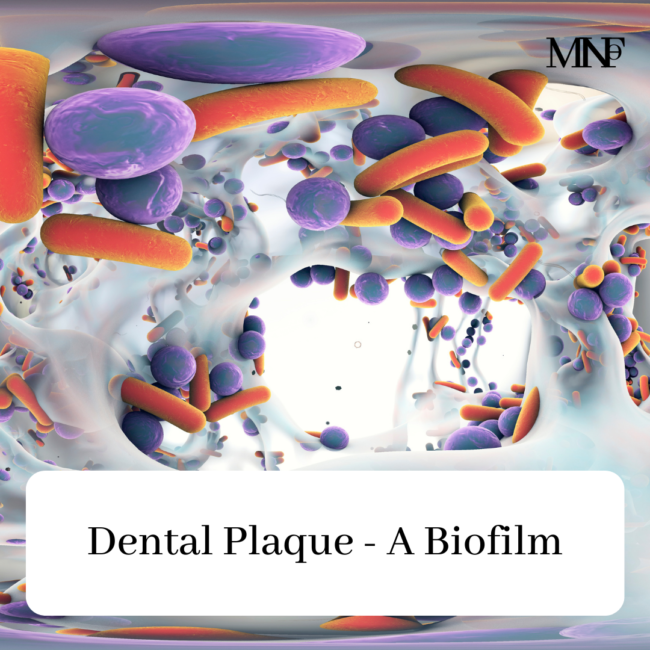
Dental Plaque – A Biofilm

[vc_row][vc_column][ultimate_spacer height=”20″][ultimate_heading main_heading=”Dental Plaque – A Biofilm” heading_tag=”h3″ alignment=”left” margin_design_tab_text=””] Biofilms are formed on the surfaces in the mouth as dental plaque. Surfaces can be teeth, dentures, braces, aligners etc. Dental Plaque matures overtime and there is a shift from microorganisms found in healthy states to disease causing microorganisms. Dental plaque is responsible for the…

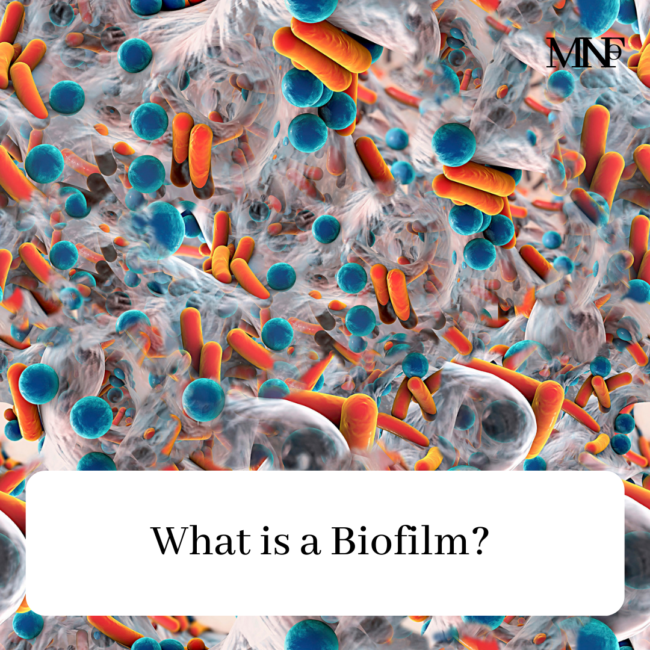
What is a Biofilm?

[vc_row][vc_column][ultimate_spacer height=”20″][ultimate_heading main_heading=”What is a Biofilm?” heading_tag=”h3″ alignment=”left” margin_design_tab_text=””] Biofilm is a highly organized complex of microorganisms embedded in a matrix. Biofilms form on surfaces when free floating microorganisms settle and start forming colonies. Maturation of biofilm is related to matrix formation. The matrix protects the microorganisms and helps them grow. It consists of  carbohydrates,…

Treatment options for Over-retained milk teeth in Adults

[vc_row][vc_column][ultimate_spacer height=”20″][ultimate_heading main_heading=”Treatment options for Over-retained milk teeth in Adults” heading_tag=”h3″ alignment=”left” margin_design_tab_text=””]   If there is an over-retained milk tooth, a few options can be considered-   Extraction: Most of the time, the over-retained milk tooth is extracted. If possible, the permanent tooth can be brought in that space. No treatment: The second common…

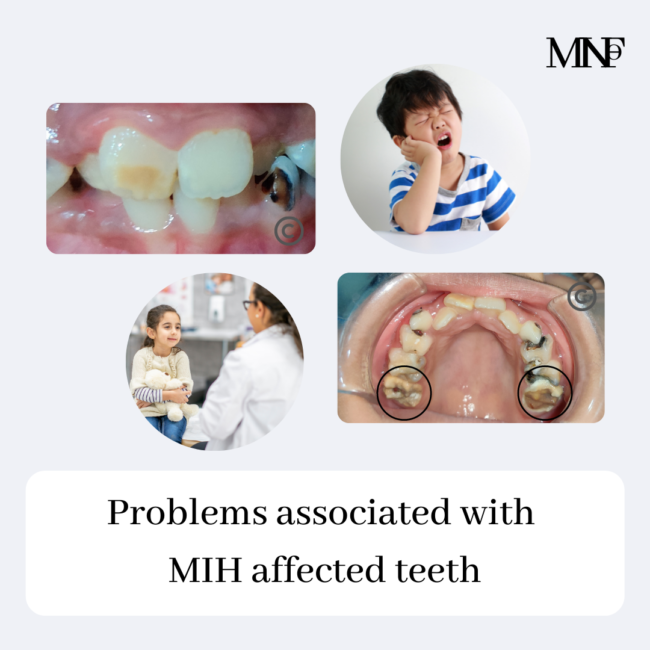
Problems associated with MIH affected teeth

[vc_row][vc_column][ultimate_spacer height=”20″][ultimate_heading main_heading=”Problems associated with MIH affected teeth ” heading_tag=”h3″ alignment=”left” margin_design_tab_text=””]   Molar Incisor Hypomineralisation leads to less mineralized outer layer of teeth i.e. Enamel. This causes several problems Problems due to weak enamel  Enamel fracture leaving the dentin open to oral environment Tooth sensitivity Loss of affected molars Bad appearance of front teeth…

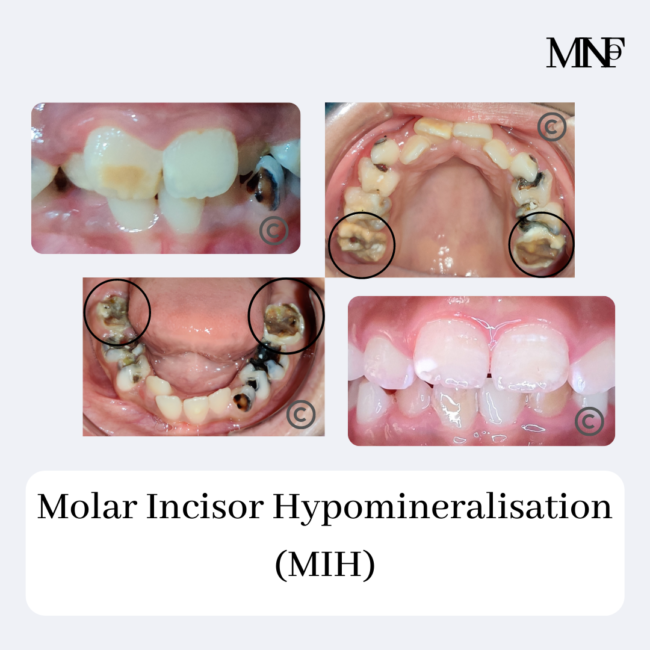
Molar Incisor Hypomineralisation (MIH)

[vc_row][vc_column][ultimate_spacer height=”20″][ultimate_heading main_heading=”Molar Incisor Hypomineralisation (MIH)” heading_tag=”h3″ alignment=”left”]MIH is a defect in which enamel of specific teeth do not get mineralised properly during formation. Most commonly involved teeth are first permanent molars and incisors and hence the name, MIH.  The defect in enamel mineralisation leads to white spots or discoloration of teeth. The affected teeth…

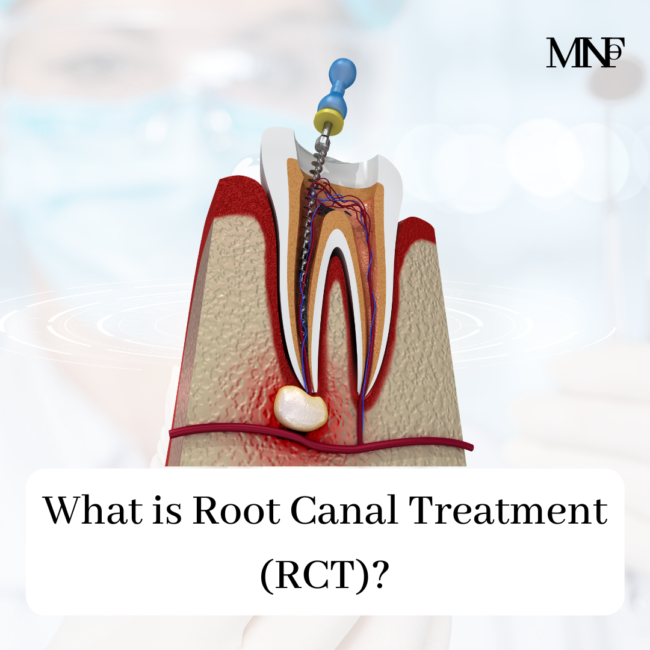
Root Canal Treatment (RCT)

[vc_row][vc_column][ultimate_spacer height=”20″][ultimate_heading main_heading=”Root Canal Treatment (RCT)” heading_tag=”h3″ alignment=”left” margin_design_tab_text=””] Root Canal Treatment (RCT) is generally considered to be the most effective way to remove inflammation and infection in the root canals (Stages 4 & 5).  There are essentially 2 steps in RCT Cleaning & Shaping of root canals: This helps to clear up the infection…